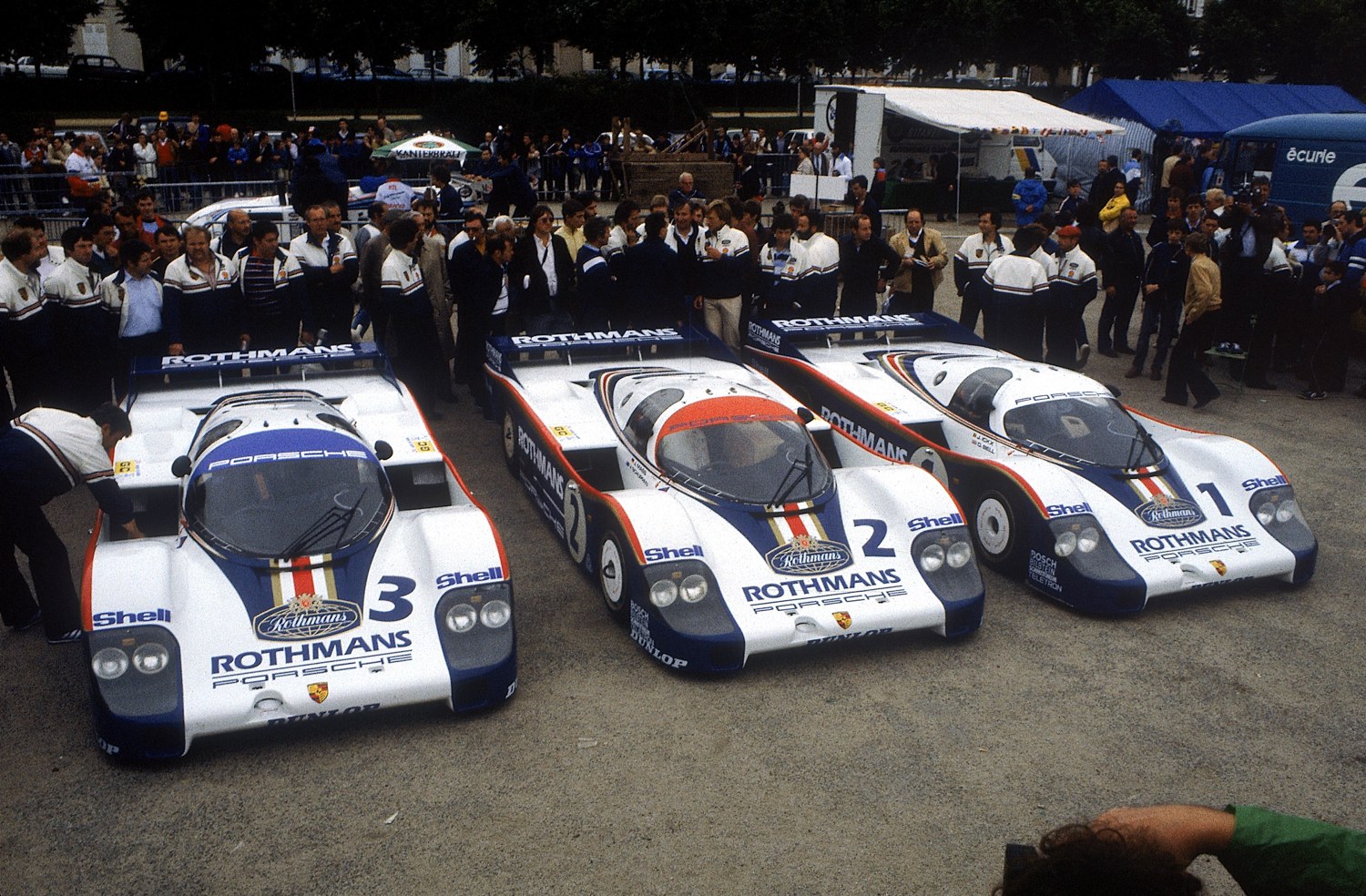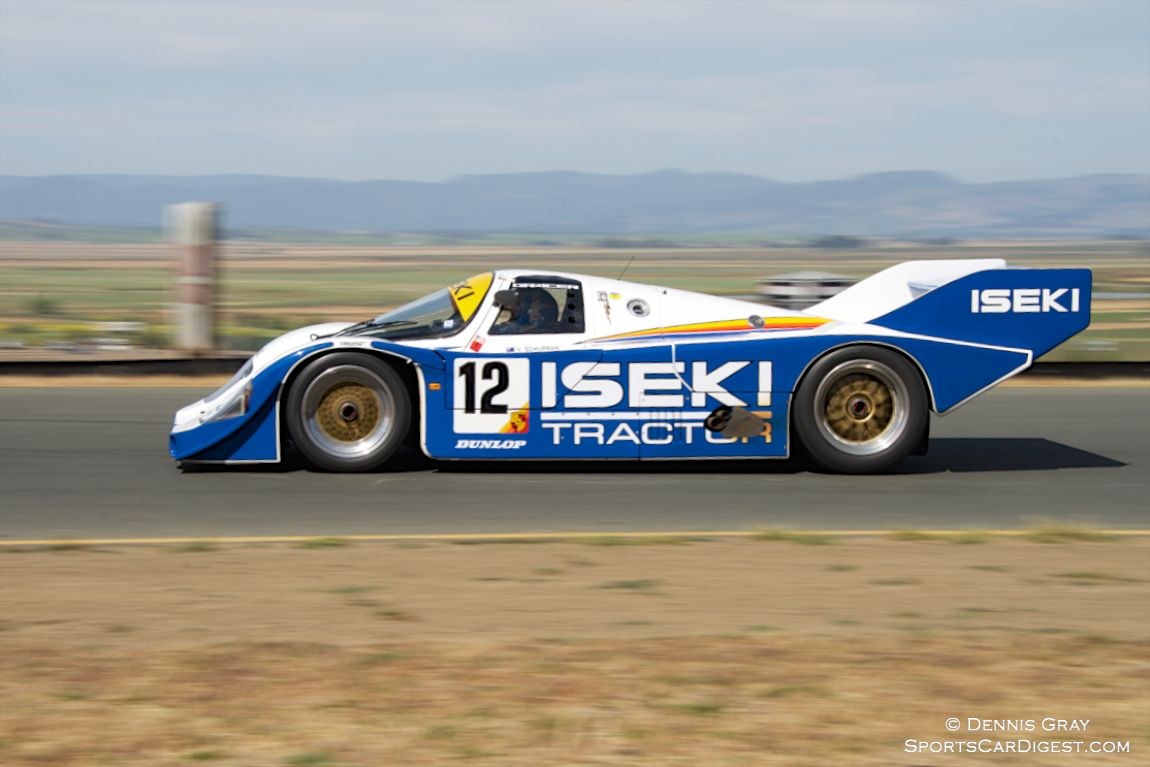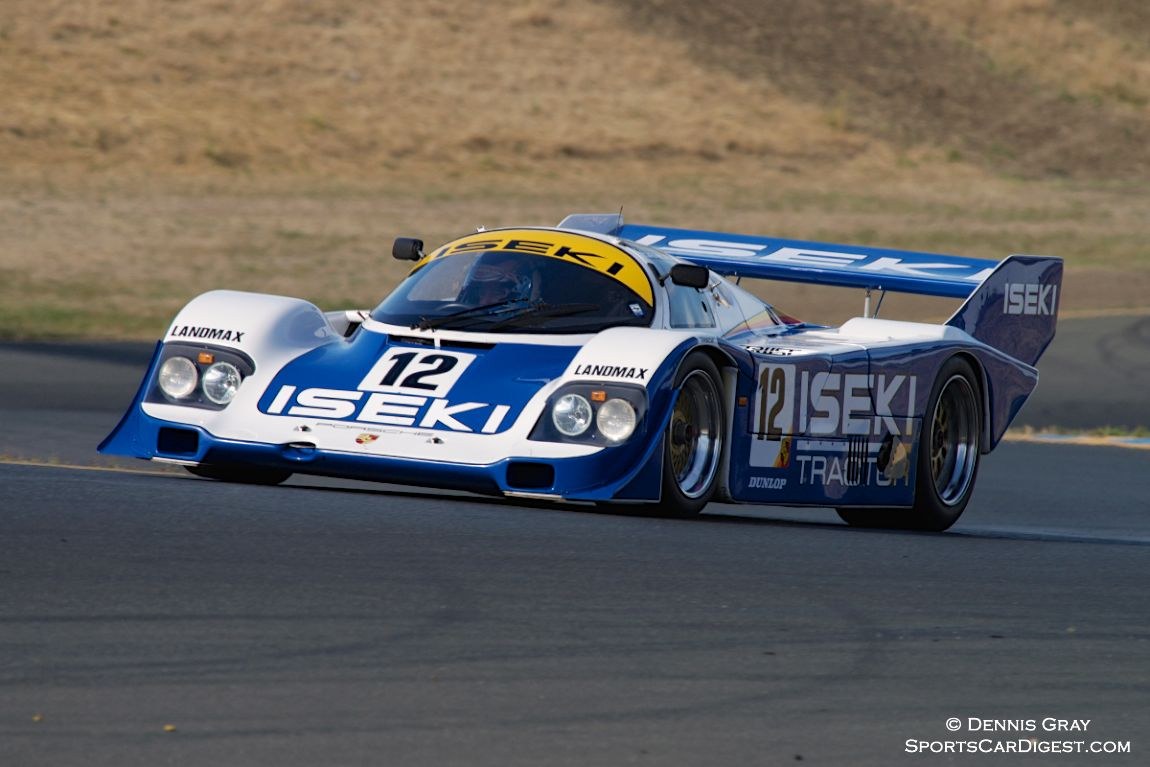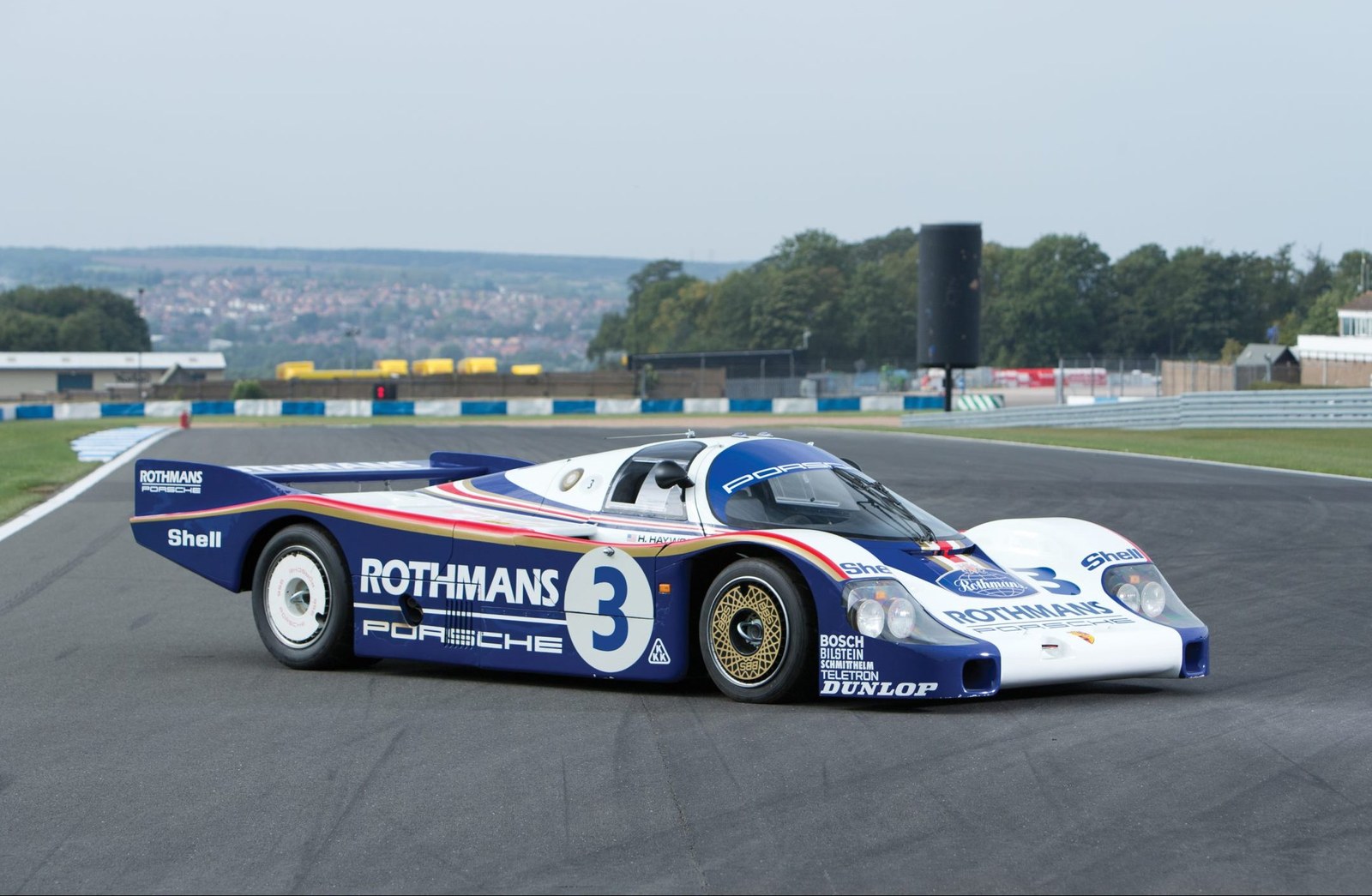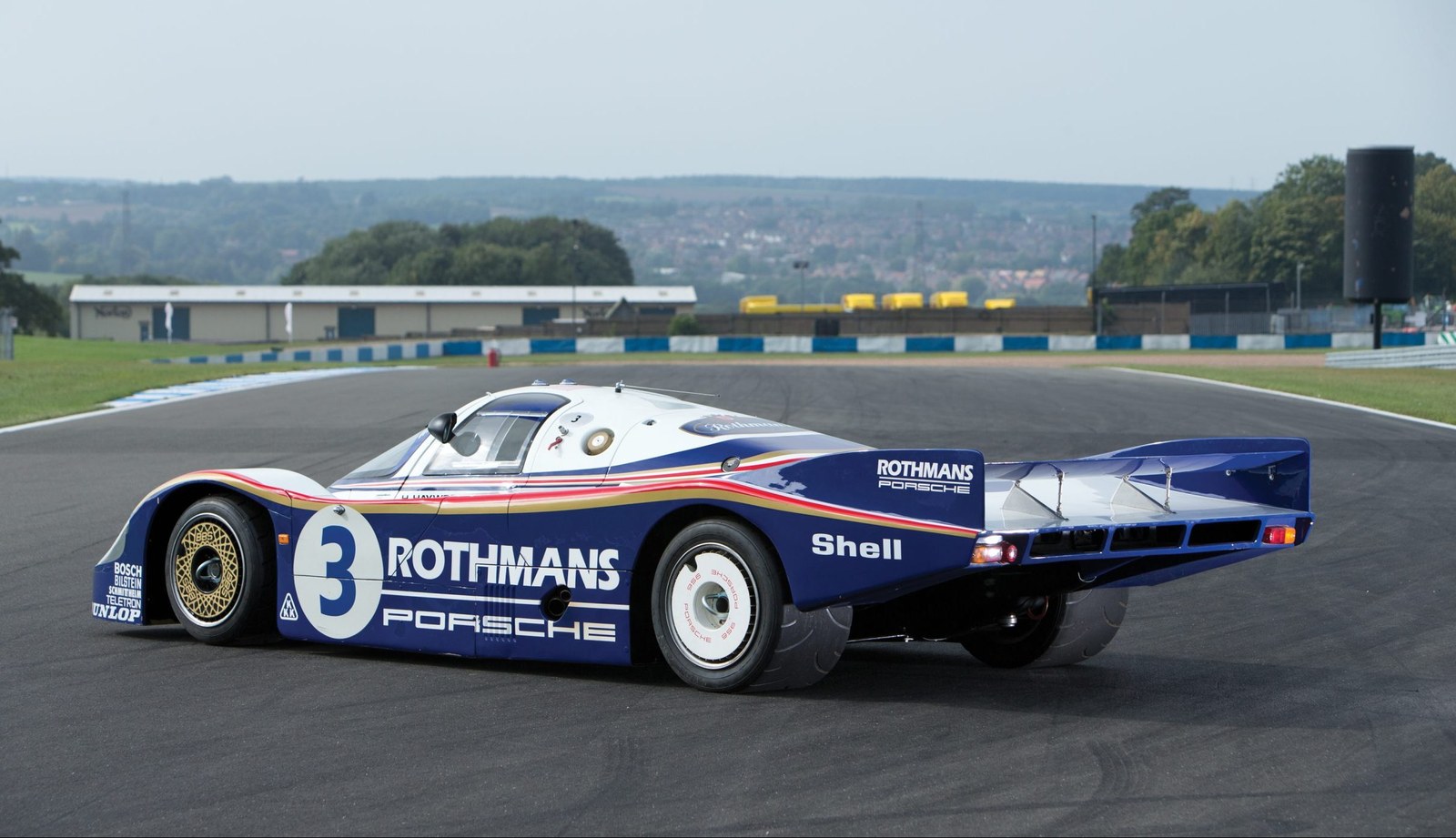
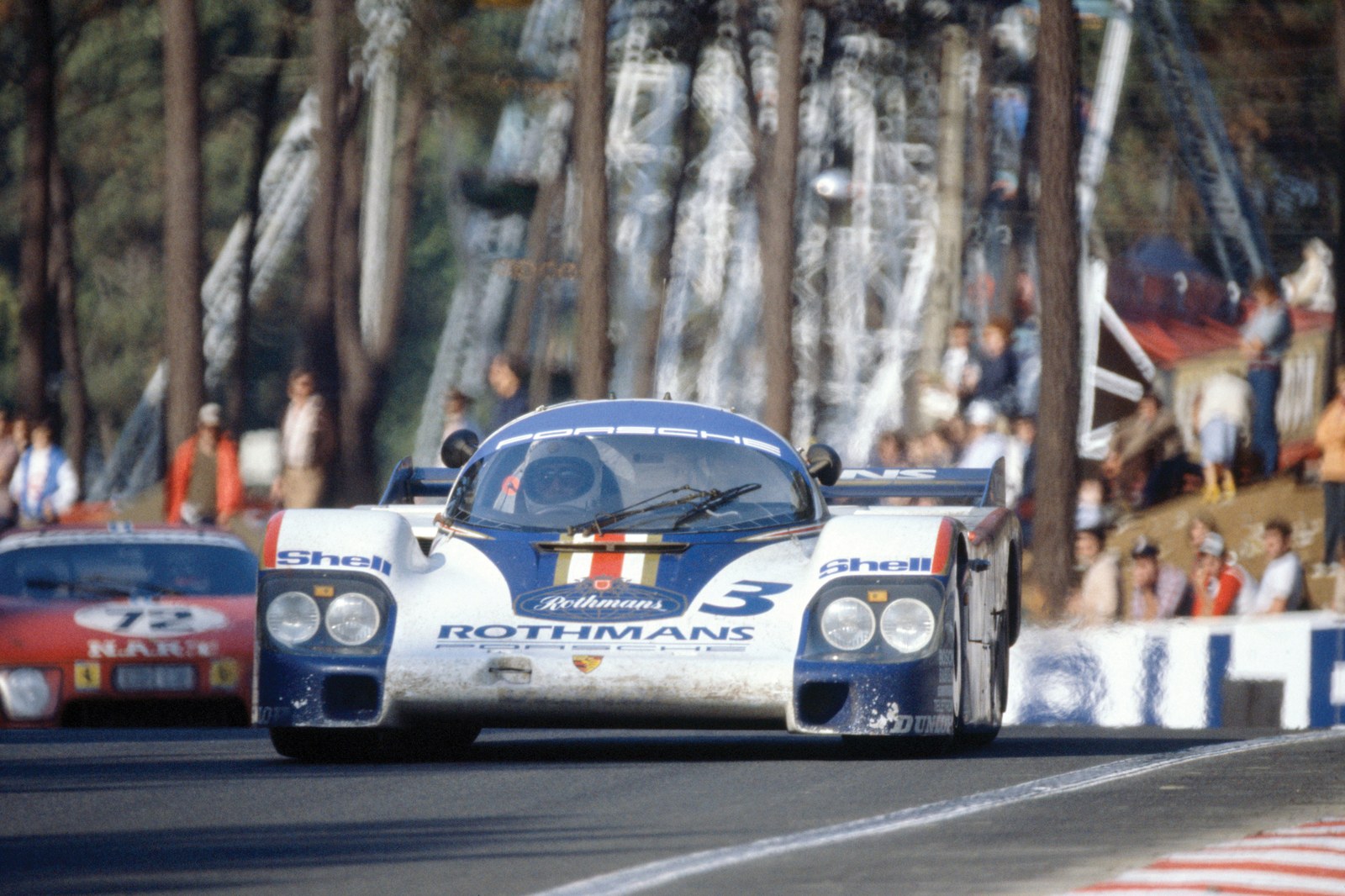
In 1982 Porsche went all-in for the 956. Built for Group C sports-prototype racing and designed by Norbert Singer, the goal was for it to start completing in 1982 for the FIA World Sportscar Championship. The 956 was the first Porsche race car to feature monocoque construction, as well as the first to feature so-called ground effects. The engine was the same as the one used in the Porsche 936, the Type-935 2.65 L twin-turbo Flat-6. It took a 1-2-3 finish at the 1982 24 Hours of Le Mans in just its second race and dominated the next few seasons, winning Le Mans again in 1983, 1984 and 1985.
The Porsche 956 is one of the most legendary race cars in the history of motorsport. Introduced in 1982 to compete in the newly established FIA Group C category, the 956 set new standards for performance, aerodynamics, and technological innovation. Over its short but illustrious career, the 956 became synonymous with endurance racing success, particularly at the 24 Hours of Le Mans and the World Endurance Championship. Its cutting-edge design, unparalleled reliability, and dominance on the track ensured the Porsche 956 a place among the greatest race cars ever built.
The Porsche 956 was created in response to the FIA’s new Group C regulations, which emphasized fuel efficiency, aerodynamics, and endurance over outright power. Porsche’s chief engineer, Norbert Singer, led the development of the 956, applying innovative concepts that would revolutionize endurance racing. The result was a sleek, low-slung prototype that combined aerodynamic efficiency, mechanical reliability, and advanced engineering.