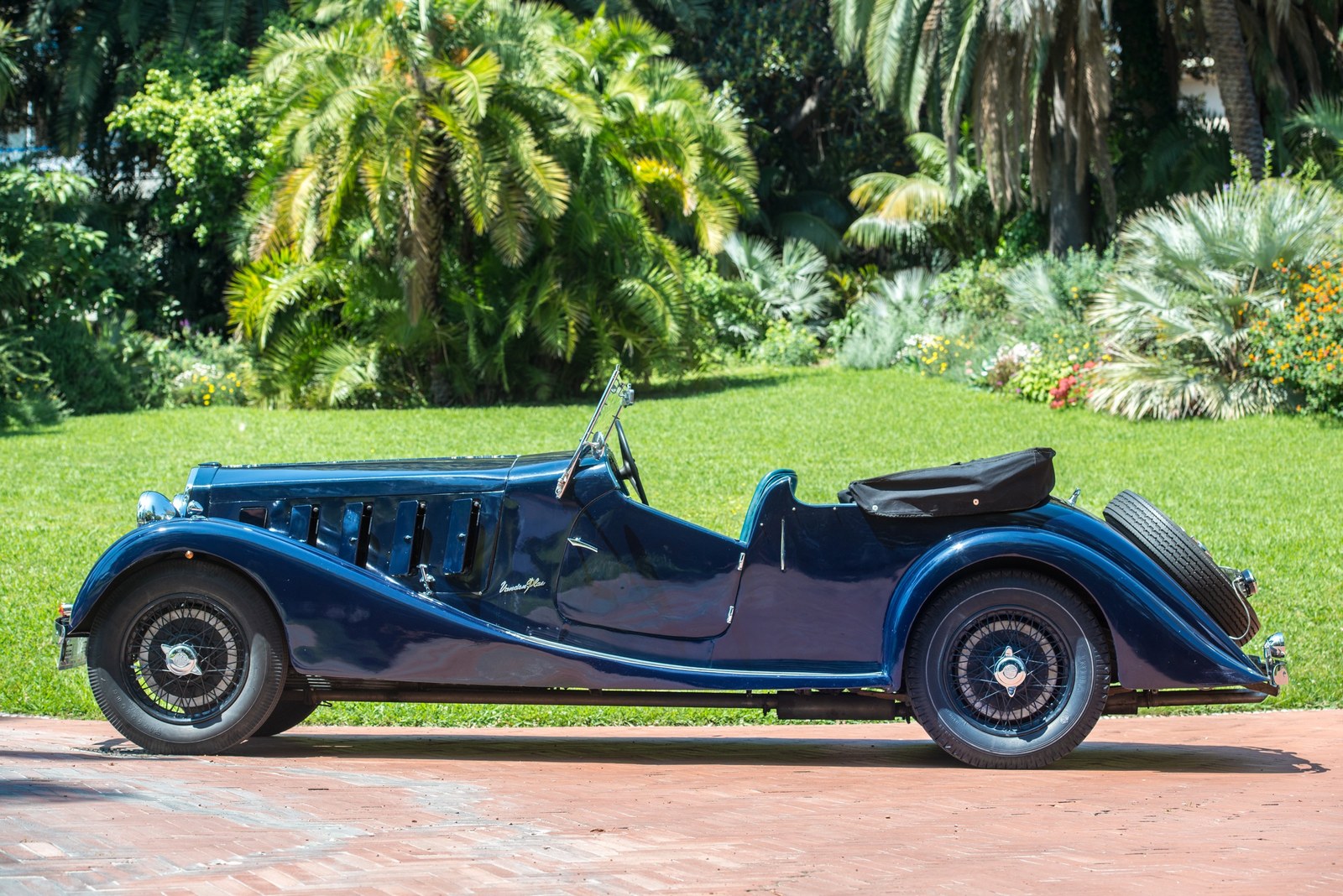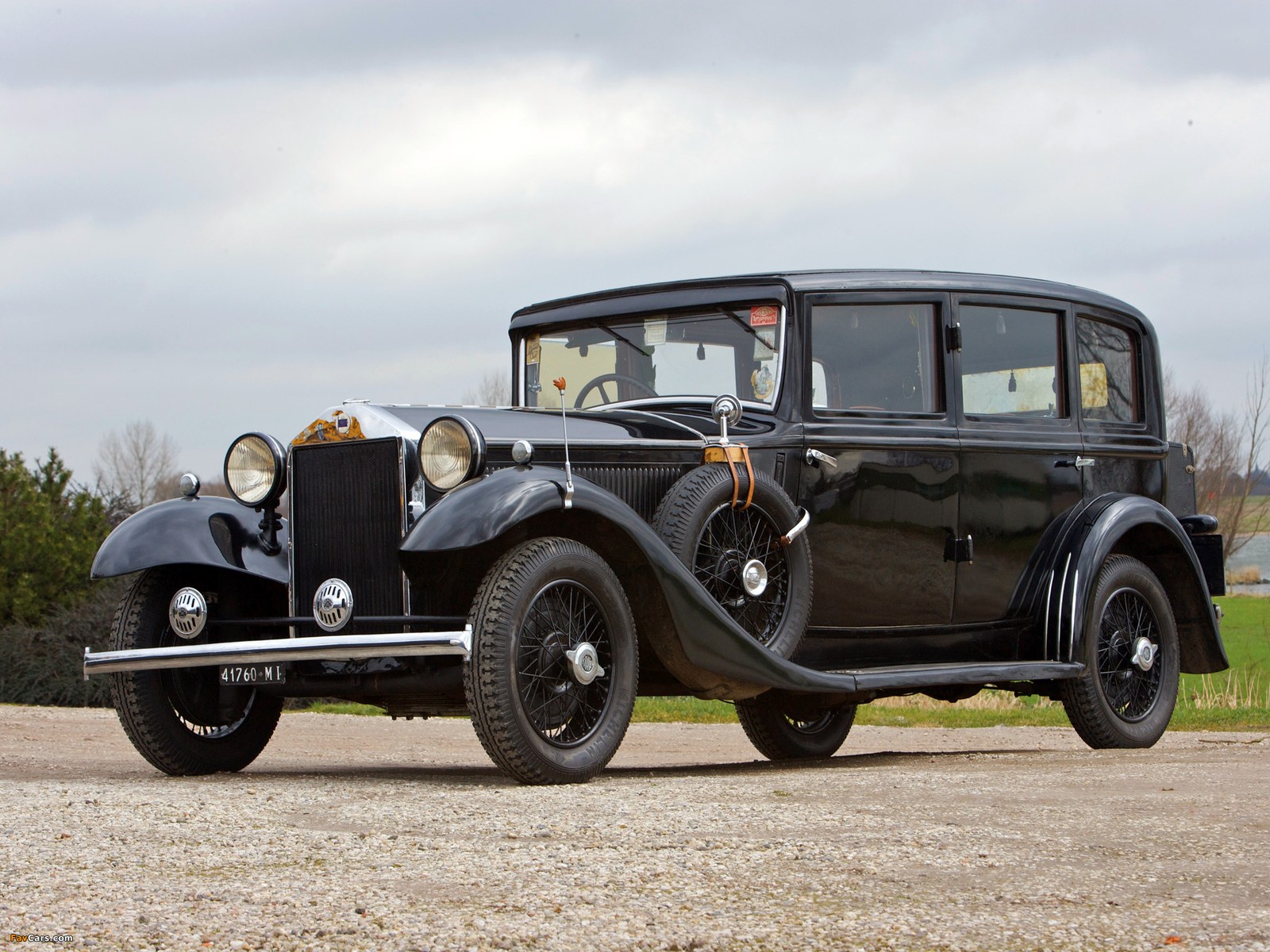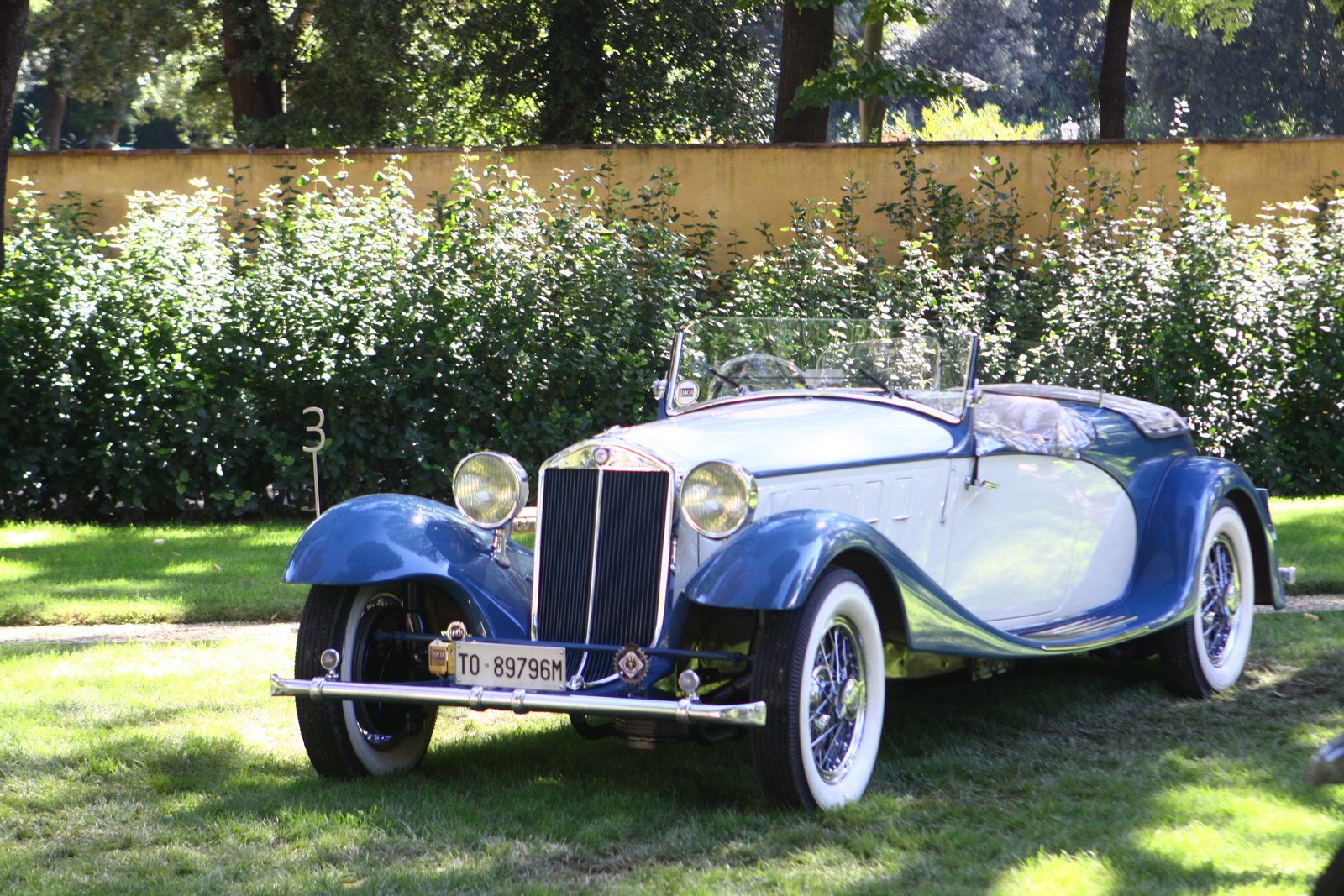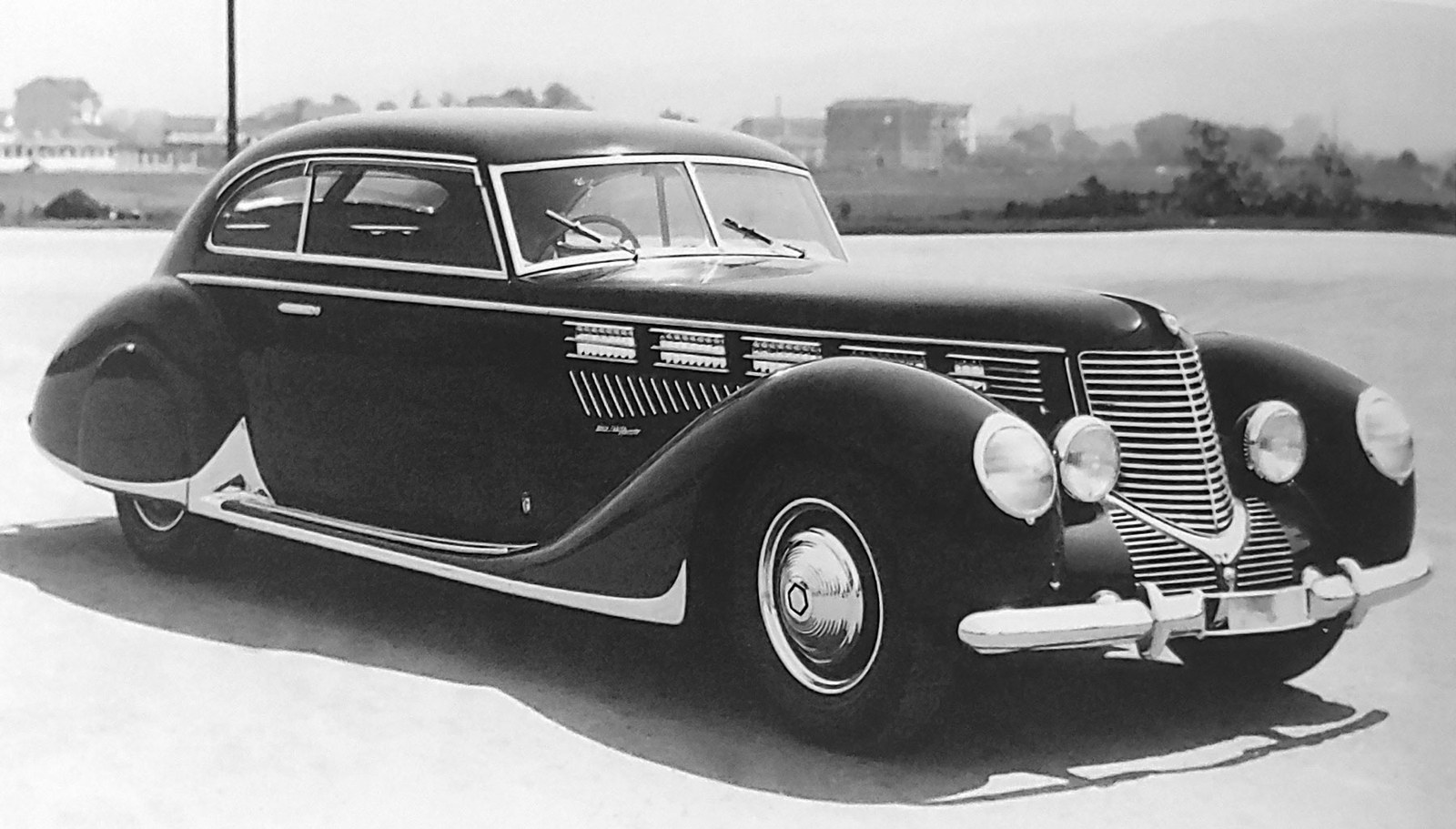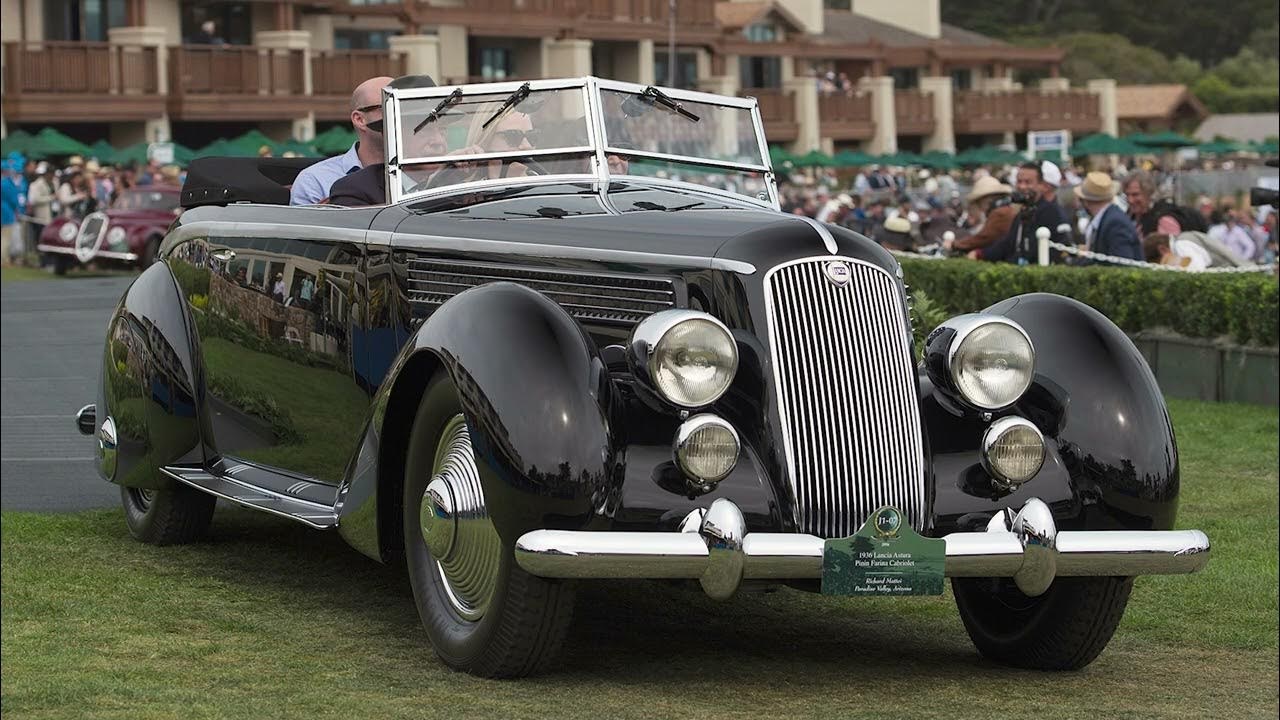
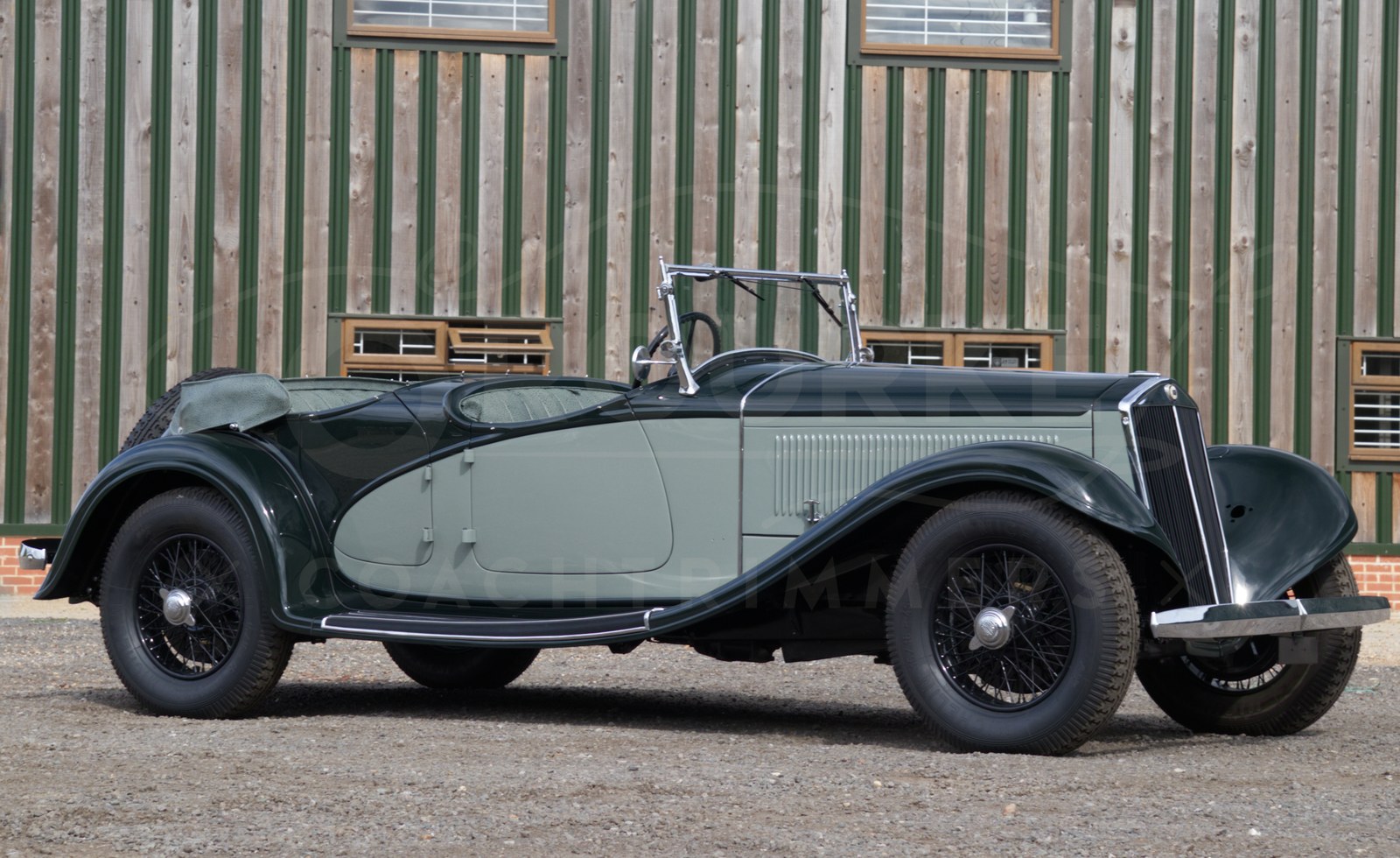
The Lancia Astura was a luxurious and elegant passenger car produced in the 1930s. Featuring flowing lines, a spacious interior, and a powerful, narrow-angle V8 engine, the Astura represented the pinnacle of pre-war Italian automotive engineering and style. Coveted by discerning drivers and cultural elite, it was a symbol of both sophistication and performance.
Based on avant-garde technical concepts from the Lambda, an initial model, the Dilambda, was launched in 1929. But it was launched at the height of the world economic crisis, and its high price limited sales to less than 1,000 units in three years. Vincenzo Lancia quickly realized the situation and changed his plans, launching a study of two new models that were very similar, but only in appearance: the mid-range Artena, with a V4 engine, and the top-of-the-range Artena, with a V8 engine, which were both presented at the 1931 Paris Motor Show.
A single model was undoubtedly not enough to replace the famous Lambda, which had evolved from a light 2.1-litre Torpedo to a 2.6-litre luxury saloon car over the decade of its existence. Vincenzo therefore decided to offer two cars in parallel, one relatively simple and economical, called the Artena, and the other, called the Astura, which was a powerful and luxurious saloon car, but sold at a much lower price than the Dilambda, which was still featured in the brand's catalog. With these two models, as well as the small, popular Augusta saloon car introduced in 1933, Lancia abandoned the Greek alphabet for the first time and chose names of localities for its cars. This approach corresponded to the nationalist spirit of the time. Astura was the name of a historic castle in Nettuno, south of Rome, and Artena was the name of a small town to the east of the Italian capital.